
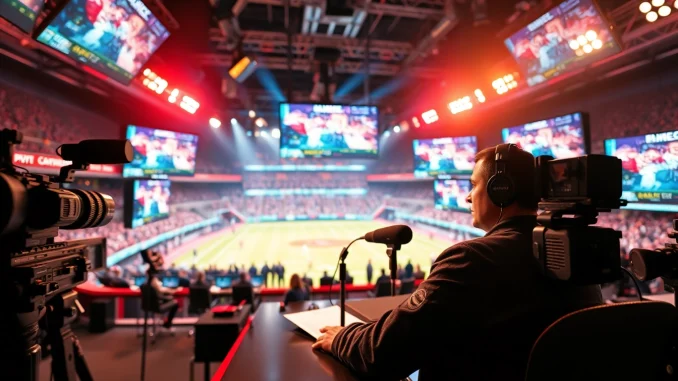
Understanding the Basics of Sports Broadcasting
Definition and Importance of Sports Broadcasting
Sports broadcasting refers to the dissemination of live or recorded sporting events via audio and visual mediums, including television, radio, and online streaming platforms. Its importance cannot be overstated; it serves as a bridge between sports and fans, providing updates, live commentary, and analyses. The essence of sports broadcasting lies in creating a narrative that enhances viewer engagement while presenting the passion and excitement associated with athletic competitions. The evolution of technology has transformed sports broadcasting, enabling access to global audiences and interactive viewer experiences through platforms such as Sports Broadcasting.
Key Roles in Sports Broadcasting
The sports broadcasting ecosystem comprises various essential roles that contribute to the overall production and delivery of content. Key players include:
- Sports Broadcasters: These professionals deliver live commentary and analysis during sporting events. Their role requires not only a deep understanding of the sport but also the ability to engage and entertain viewers.
- Producers: They oversee the entire production process, coordinating logistics, directing camera angles, and ensuring seamless transitions between segments.
- Cameramen and Technical Crew: These individuals are responsible for capturing the visual aspects of the event, ensuring high-quality video and audio feed.
- Analysts: Often former athletes or coaches, analysts provide deeper insights into the gameplay, highlighting strategies and player performances.
Types of Sports Broadcasting
Sports broadcasting can be categorized into several types, each serving a unique audience and purpose:
- Live Sports Coverage: This involves real-time broadcasting of events, allowing audiences to experience the thrill as it unfolds.
- Pre- and Post-Game Shows: These segments focus on news, analyst discussions, and highlights before and after the main event.
- Highlight Shows: These compilations present key moments from various events, often focusing on exciting plays and performances.
- Documentaries and Features: This format explores the backstories of athletes or teams, providing depth and context beyond the scores.
Essential Equipment for Sports Broadcasting
Broadcasting Gear and Technology
To deliver high-quality sports broadcasts, technology plays a crucial role. Essential broadcasting gear includes:
- Cameras: High-definition and multi-angle cameras are essential for capturing live events accurately. Innovations such as drone cameras and GoPro devices enhance coverage by providing unique perspectives.
- Video Switchers: These devices enable producers to switch between multiple camera feeds, creating a seamless viewing experience.
- Graphics Systems: Essential for displaying scores, statistics, and other information, enhancing audience engagement.
Audio and Visual Equipment Overview
Audio quality is as vital as video quality in sports broadcasting. Key audio and visual equipment includes:
- Microphones: Quality microphones capture commentary and ambient sounds crucial for viewer immersion. Directional microphones help in isolating specific audio sources.
- Monitors and Screens: High-resolution monitors are essential for the production team to oversee the broadcast and ensure visual accuracy.
- Streaming Equipment: For online broadcasts, reliable streaming devices and platforms allow for smooth delivery to viewers around the world.
Studio Setup for Optimal Broadcasts
An effective studio setup is essential for quality sports broadcasting. Factors to consider include:
- Location: The studio should be easily accessible and equipped with adequate space for talent, cameras, and equipment.
- Lighting: Proper lighting enhances video quality, reducing shadows and ensuring all participants are visible.
- Acoustics: Soundproofing the studio mitigates echoes and outside noise, sustaining audio quality during broadcasts.
Techniques for Effective Sports Commentary
Research and Preparation Tips
Effective commentary requires thorough research and preparation. Here are some techniques:
- Know the Teams and Players: Familiarize yourself with current rosters, player statistics, and historical performance.
- Stay Informed: Follow sports news and trends, ensuring that you have the latest insights and opinions to share with viewers.
- Prepare Talking Points: Develop a list of key themes and narratives to reference during the match, creating more engaging commentary.
Delivering Engaging Commentary
Delivering commentary effectively involves various techniques:
- Vocal Variety: Use changes in tone, pitch, and volume to emphasize key moments or build excitement during a game.
- Storytelling: Weave narratives or backstories into your commentary to enhance emotional engagement and viewer understanding.
- Be Relatable: Communicate in a manner that resonates with your audience, connecting on a personal level during broadcasts.
Managing On-air Pressure
On-air pressure can be daunting, but managing it is critical for effective broadcasting. Strategies include:
- Practice: Regular practice helps build confidence, allowing commentators to respond smoothly during live broadcasts.
- Stay Calm: Employ relaxation techniques, such as deep breathing, to maintain composure before and during broadcasts.
- Focus: Concentrate on the moment rather than the audience, which helps maintain a natural flow during commentary.
Challenges in the Sports Broadcasting Industry
Navigating Legal and Ethical Issues
Legal challenges in sports broadcasting encompass copyright issues, broadcasting rights, and ethical considerations. Broadcasters must ensure adherence to laws governing usage and distribution of content to avoid hefty penalties. Establishing clear ethical guidelines helps maintain integrity within the industry.
Adapting to Rapid Changes in Technology
Technological advancements continually reshape sports broadcasting. Broadcasters must be agile, adapting to new technologies such as virtual reality, 4K broadcasting, and AI-enhanced analytics. Staying ahead of the curve requires continuous learning and investment in cutting-edge tools and platforms.
Ensuring Viewer Engagement
In an era of information overload, maintaining viewer engagement is a considerable challenge. Strategies include:
- Interactive Content: Incorporating viewer polls, social media interactions, and live Q&A sessions enhances audience involvement.
- Quality Production: Ensuring high-quality broadcasts with skilled commentators and engaging graphics keeps viewers returning for more.
- Catering to Diverse Audiences: Understanding the demographics of your viewers and tailoring content to different groups enhances overall engagement.
Future Trends in Sports Broadcasting
The Rise of Digital and Streaming Platforms
The shift toward digital and streaming platforms has revolutionized sports broadcasting. More fans prefer on-demand content while engaging with their favorite sports anytime, anywhere. This trend pushes traditional broadcasters to innovate and deliver content through new technologies, such as mobile streaming apps.
Impact of Data Analytics on Broadcasting
Data analytics is redefining how sports broadcasting is approached. By analyzing viewer metrics, broadcasters can tailor content to meet audience preferences, optimizing engagement and retention. Additionally, advanced analytics enhance commentary by providing real-time statistics and insights during broadcasts.
Innovations to Watch in Sports Broadcasting
The future of sports broadcasting promises several innovations, including:
- Augmented Reality (AR): Implementing AR can enrich the viewer experience by overlaying stats and graphics during live broadcasts.
- Artificial Intelligence: AI systems can assist in producing content, generating highlights automatically and providing data-driven insights for commentators.
- eSports Integration: The rise of eSports introduces new broadcasting opportunities, enabling seamless integration with traditional sports broadcasts, attracting broader audiences.
Frequently Asked Questions
What is sports broadcasting?
Sports broadcasting involves sharing live or recorded sporting events through various media channels, creating excitement and engagement among fans.
What roles are essential in sports broadcasting?
Key roles include broadcasters, producers, analysts, and technical crews, each contributing to producing high-quality content.
How has technology influenced sports broadcasting?
Technology has revolutionized sports broadcasting, enabling high-definition visuals, interactive features, and worldwide access to live events.
What are common challenges faced in sports broadcasting?
Challenges include legal issues, adapting to technological changes, and ensuring viewer engagement amidst a competitive landscape.
What trends are shaping the future of sports broadcasting?
The future includes an emphasis on digital streaming, enhanced data analytics, and innovative technologies like AR and AI in broadcasts.