
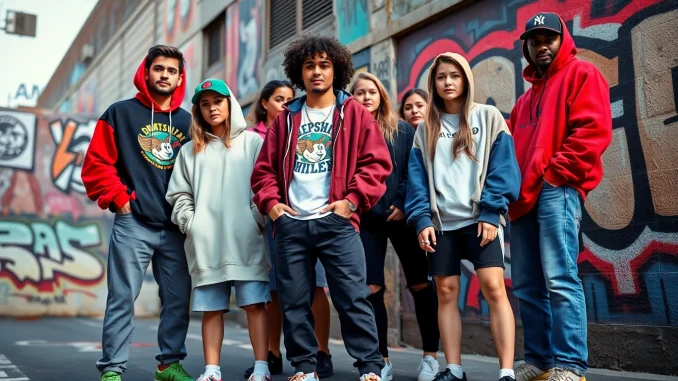
The Evolution of Streetwear Clothes: A Brief History
Streetwear clothes have become a significant cultural phenomenon over the past few decades, transcending mere fashion to embody a lifestyle and identity for many. Originating from the intersection of skate culture, hip-hop, and high fashion, streetwear has evolved into a global industry worth billions. The rise of social media has further propelled its visibility, with brands and influencers shaping trends in real time. Understanding the journey of streetwear—from its humble beginnings to its current mainstream status—offers valuable insights into what drives modern fashion. When exploring options, streetwear clothes are at the forefront of this evolution, mixing comfort with cutting-edge design.
Origins of Streetwear Culture
The roots of streetwear can be traced back to the late 1970s and early 1980s in urban centers like New York City and Los Angeles. It emerged from a collision of various subcultures including skateboarding, punk rock, and hip-hop. Skateboarders, in particular, began to create a unique identity through their clothing, often opting for baggier fits and functional wear that allowed for movement.
One of the earliest influencers in the streetwear scene was Shawn Stussy, who started by making surfboards and later began printing graphics on t-shirts. His brand, Stüssy, is often considered one of the first streetwear labels, embodying the laid-back, rebellious spirit of the culture. This laid the groundwork for what would become a multi-faceted industry.
Key Influences and Iconic Brands
Through the 1990s, streetwear began to gain traction, partly due to the influence of hip-hop. Artists like A Tribe Called Quest and Wu-Tang Clan embraced this style, promoting brands such as Polo Ralph Lauren and Tommy Hilfiger. The concept of luxury streetwear began to emerge, with brands such as Supreme and A Bathing Ape (BAPE) leading the charge. Supreme’s tactical use of limited releases and collaborations turned it into a cult brand, illustrating how scarcity can drive demand.
As streetwear evolved, collaborations between high fashion and streetwear brands became commonplace. For instance, Louis Vuitton’s partnership with Kanye West in 2009 not only made waves in the luxury sector but also solidified streetwear as a respected fashion category. Brands such as Off-White, led by designer Virgil Abloh, further blurred the lines between streetwear and high fashion, elevating the aesthetic to new heights.
Transition from Niche to Mainstream
By the 2010s, streetwear transitioned from a niche market to a dominant force in the fashion industry. This shift was fueled by the proliferation of online shopping and social media platforms like Instagram, where brands could showcase their collections directly to consumers. The ability to connect with a global audience allowed smaller independent brands to thrive alongside established players.
Furthermore, the inclusion of streetwear in high-end retail spaces reflected its acceptance in mainstream culture. Retailers like Barneys New York and high-end department stores began dedicating sections to streetwear, showcasing collections from emerging designers and established brands alike. This has not only democratized fashion but has also made it more accessible to a wider audience.
2026 Trends in Streetwear: What to Watch For
As we step into 2026, the streetwear landscape continues to evolve, influenced by social trends, technological advancements, and changing consumer preferences. Knowing what to look for can help fashion enthusiasts stay ahead of the curve. The following trends are poised to define streetwear in the coming year.
Bold Colors and Unique Patterns
The use of vibrant colors and daring patterns has always been a hallmark of streetwear, and this trend is likely to intensify in 2026. From neon hues to intricate graphics, the emphasis will be on self-expression and individuality. Brands will cater to consumers seeking to make bold statements, incorporating unique designs that stand out in a crowd.
Streetwear enthusiasts can expect to see a resurgence of retro patterns such as tie-dye, color blocking, and oversized prints. These styles will reflect a sense of nostalgia while aligning with modern sensibilities. As consumers seek to differentiate themselves from the mass-market offerings, brands will continue to innovate in their design approaches.
Eco-Friendly Materials and Sustainability
With growing awareness around climate change and environmental issues, sustainability has become a critical focal point for brands across the fashion industry. In 2026, the demand for eco-friendly streetwear clothes is expected to rise significantly. This shift will drive brands to adopt sustainable practices, from sourcing organic materials to utilizing innovative recycling methods.
Many streetwear labels are already implementing sustainable techniques, such as using recycled denim and organic cotton. As consumers educate themselves on the environmental impact of clothing, they increasingly favor brands that align with their values. Incorporating sustainability into brand narratives will not only attract eco-conscious consumers but also foster brand loyalty.
Gender-Neutral Fashion in Streetwear
The move towards gender-neutral fashion is gaining momentum, and streetwear is no exception. In 2026, we anticipate a more inclusive approach to clothing, with brands offering unisex collections that break traditional gender norms. This shift reflects a broader cultural change toward fluidity in personal expression.
Brands will design pieces that are versatile and can be styled in various ways, appealing to a wide audience. Expect to see tailored pieces that resonate with all genders, designed with comfort and practicality in mind. This inclusivity will not only diversify the consumer base but will also promote a deeper appreciation of streetwear culture.
How to Style Streetwear Clothes Like a Pro
Styling streetwear clothes can seem daunting, especially with the evolving trends. However, mastering the art of streetwear is all about understanding how to mix and match different elements to create your unique look. Here are some practical tips on how to style streetwear effectively.
Layering Techniques for Maximum Impact
Layering is a key strategy in streetwear fashion, allowing individuals to create depth and interest in their outfits. Start with a comfortable base layer, such as a fitted t-shirt or tank top. Next, add oversized shirts, hoodies, or jackets to enhance your overall look.
Play with contrasting materials and textures to elevate your outfit. For instance, pairing a denim jacket with a cozy knit sweater not only adds warmth but also visual appeal. Accessorizing with hats, scarves, or statement jewelry can further enhance the layered look.
Accessorizing Your Streetwear Look
Accessories can make or break a streetwear outfit. Opt for bold pieces that resonate with your style, like snapbacks, beanies, and statement belts. Footwear also plays a crucial role—sneakers are the quintessential streetwear shoe, so choose a pair that complements your ensemble while providing comfort.
Consider personalizing your look with unique items such as vintage bags or custom jewelry. The key is to highlight your personality through your accessories, transforming an ordinary outfit into something distinctive.
Choosing the Right Footwear for Street Style
The right footwear can transform your outfit from pedestrian to standout. Sneakers are the cornerstone of streetwear, with brands like Nike, Adidas, and Converse leading the charge. Look for limited-edition releases or collaborations that can add an exclusive touch to your style.
Don’t shy away from chunky boots or slides, which are also making a resurgence in street fashion. Ultimately, the choice of footwear should reflect both your personal style and the overall aesthetic of your outfit.
Top Online Stores for Streetwear Clothes
Shopping for streetwear clothes has never been more convenient, thanks to a multitude of online retailers catering to varying tastes and budgets. Here’s a curated list of top online stores where you can find the latest trends and unique pieces that stand out from the crowd.
Must-Visit Retailers for the Latest Trends
- Culture Kings: Known for its extensive collection of streetwear, sneakers, and accessories, Culture Kings is a must-visit destination.
- Streetwear Official: This online store features independent streetwear brands, making it a go-to source for unique graphic tees and hats.
- Karmaloop: A staple in the streetwear scene, Karmaloop offers a diverse array of apparel, footwear, and accessories.
- Zumiez: Offering both skate and streetwear clothing, Zumiez provides a range of budget-friendly options without compromising on style.
- Tillys: This retailer is known for trendy women’s streetwear, featuring everything from casual wear to accessories at affordable prices.
- ASOS: ASOS provides a variety of streetwear brands, catering to different budgets and styles, making it easy to shop for on-trend pieces.
Budget-Friendly Options for Affordable Streetwear
Exclusive Drops and Limited Editions to Look For
For those who thrive on exclusivity, keeping an eye on limited releases is essential. Many brands announce drops through social media, so following your favorite labels is crucial to snagging pieces before they sell out. Collaborations often yield one-of-a-kind items, ensuring that what you wear is not just stylish but also unique.
Websites like StockX and Grailed are great for finding rare finds and resale items, providing access to streetwear enthusiasts looking to buy or sell exclusive pieces.
The Future of Streetwear Clothes: Predictions for 2026 and Beyond
As the fashion landscape continues to shift, the future of streetwear looks promising. Brands are expected to innovate, leveraging technology, sustainability, and cultural narratives to shape the industry. Here’s what to anticipate in the coming years.
Emerging Designers to Keep an Eye On
New voices in fashion are emerging every year, bringing fresh perspectives to streetwear. Designers who can merge street aesthetics with innovative designs will stand out. Keep a lookout for up-and-coming brands that prioritize authenticity and creativity in their collections.
Collaborations between established brands and emerging designers will likely increase, offering consumers diverse options and pushing the boundaries of traditional streetwear.
Technology’s Role in Fashion Innovation
Advancements in technology are set to redefine the streetwear landscape. From virtual reality shopping experiences to augmented reality fitting rooms, technology is making online shopping more immersive and personalized. Additionally, brands may implement blockchain technology to ensure authenticity in high-demand items.
Moreover, the incorporation of smart textiles and wearables will see streetwear evolving into a more functional space, marrying style with technology.
Global Trends Influencing Streetwear Markets
The globalization of fashion means that trends from different cultures are influencing streetwear in unprecedented ways. As more brands gain international recognition, we can expect a melting pot of styles and aesthetics that reflect global influences. This will lead to more collaborations and cross-cultural exchanges, enriching the streetwear narrative.
In summary, streetwear clothes will continue to evolve, shaped by social dynamics, technology, and cultural relevancy. The ongoing dialogues around sustainability, inclusivity, and innovation will remain at the forefront, ensuring that streetwear remains not just a fashion statement, but a powerful cultural movement.